
What Small Changes in Your Daily Meals Can Lead to Long-Term Wellness?
How Simple Choices Build a Healthier You One Bite at a Time
Long-term wellness doesn’t come from strict diets, drastic changes, or overwhelming routines. It comes from consistent, small steps that gradually become part of your lifestyle. Every healthy habit starts with a simple choice, and the meals you eat each day play a huge role in shaping your energy, mood, immunity, and overall well-being.
At Fit8Meals, we believe that change begins with awareness and grows through community support. When we adopt small, manageable changes in our meals and share these habits within our families, workplaces, and friend circles, we create a ripple effect that encourages everyone around us to live healthier. From choosing balanced portions to enjoying Healthy food bowls in Kochi, simple daily upgrades can transform the way you nourish your body. This blog explores how tiny improvements in your daily meals can lead to life-changing benefits, and how Fit8Meals helps you and your community stay on track effortlessly.
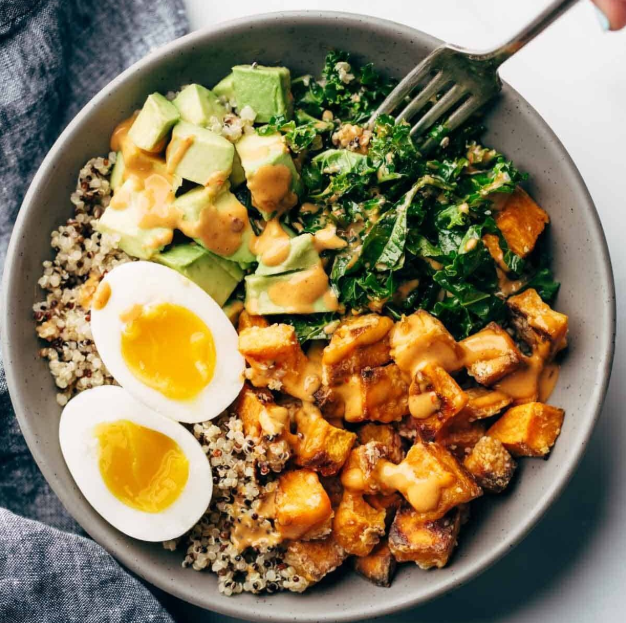
The Power of Small, Consistent Changes
Most people fail to maintain healthy habits because they try to change everything overnight. Extreme diets, unrealistic expectations, and restrictive plans rarely last. But small changes? They stick.
Why?
They’re easy to start
They don’t feel overwhelming
They fit into your lifestyle
They help build confidence
They create momentum for bigger changes
1. Adding More Whole Foods to Your Plate
Whole foods such as fruits, vegetables, whole grains, nuts, and seeds are rich in vitamins, minerals, and fiber. Simply adding one or two servings per day can improve digestion, boost immunity, and increase energy.
Small steps to try:
Add fruit to your breakfast
Include a salad or steamed veggies with lunch
Swap refined snacks for nuts or seeds
Choose whole grains instead of refined ones
These little additions slowly crowd out unhealthy choices and nourish your body from within.
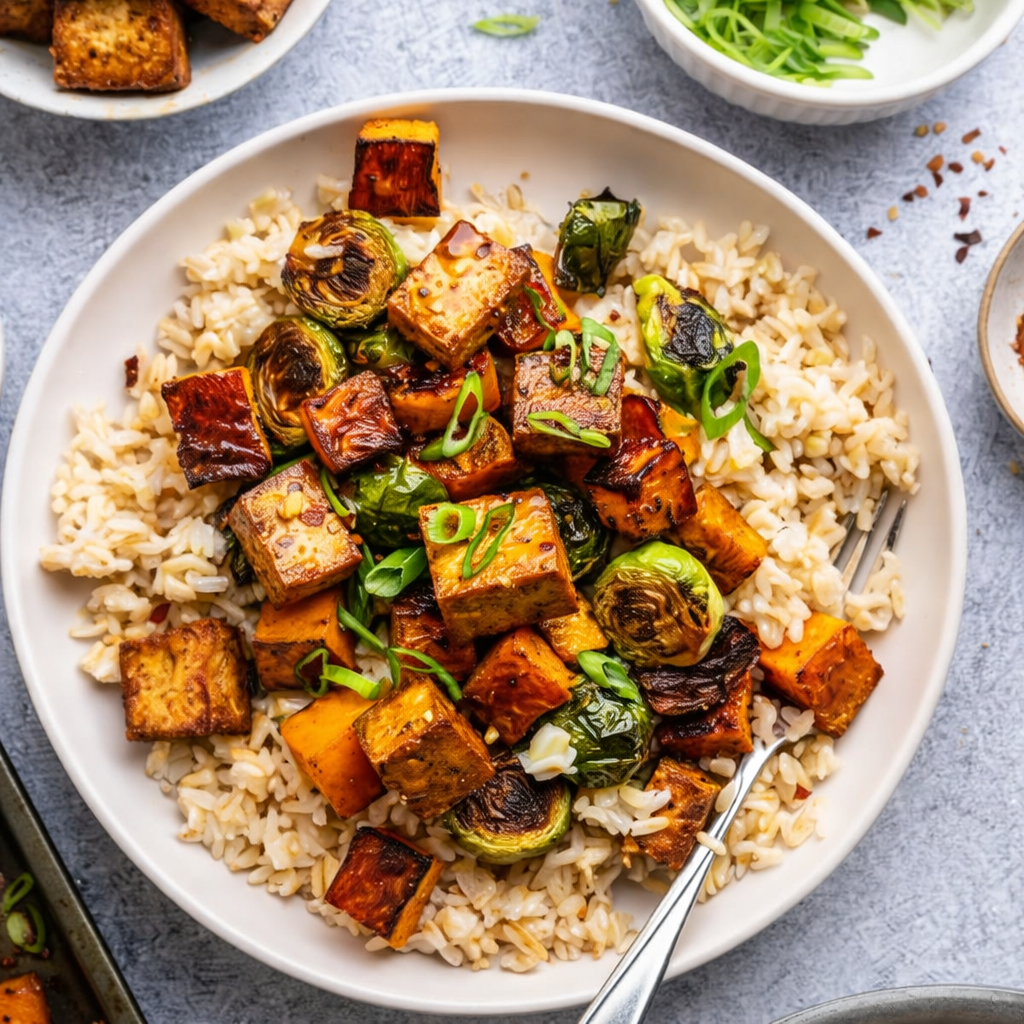
2. Increasing Your Daily Protein Intake
Protein is essential for muscle repair, weight management, immune function, and energy. Unfortunately, most people eat far less than the recommended amount.
Simple ways to increase protein:
Add eggs, paneer, tofu, or yogurt to meals
Choose protein-rich snacks
Add lentils or legumes to salads and curries
Include a portion of lean poultry or fish
Protein improves satiety, reduces cravings, and helps maintain stable energy throughout the day.
3. Staying Hydrated Without Realizing It
Water is often overlooked, yet it plays a massive role in digestion, metabolism, skin health, and mental clarity.
Healthy hydration habits to adopt:
Start your morning with a glass of water
Keep a bottle with you throughout the day
Drink water before meals
Replace sugary drinks with infused water
Even a small increase in daily water intake can improve overall vitality.
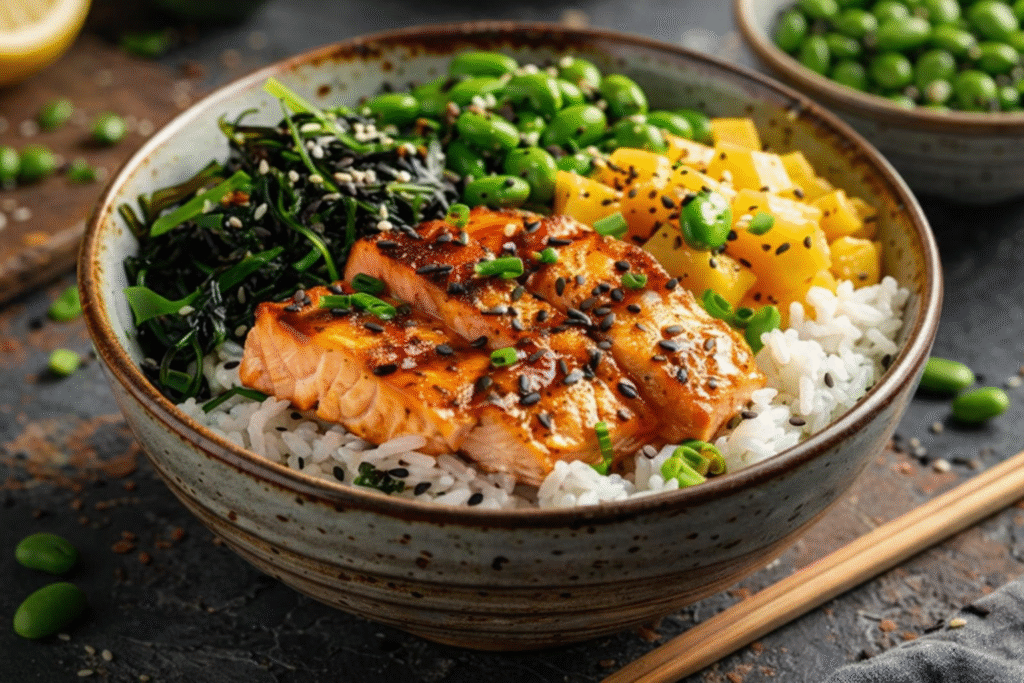
4. Reducing Portion Sizes Not the Foods You Love
Healthy eating doesn’t mean eliminating your favorite foods. It simply means eating them mindfully.
Try:
Using smaller plates
Eating slowly to feel fullness
Reducing heavy portions and increasing vegetable portions
Taking a second serving only after 10 minutes
These little changes help you enjoy food without overeating.
5. Choosing Healthier Cooking Methods
How you cook your food is just as important as what you cook.
Simple swaps that make a big difference:
Steam instead of deep-fry
Grill instead of pan-fry
Bake instead of sautéing in excess oil
Use olive oil, coconut oil, or ghee instead of refined oils
These small adjustments significantly reduce unnecessary calories and improve nutrient retention.
6. Planning Your Meals Ahead
How you cook your food is just as important as what you cook.
Simple swaps that make a big difference:
Steam instead of deep-fry
Grill instead of pan-fry
Bake instead of sautéing in excess oil
Use olive oil, coconut oil, or ghee instead of refined oils
These small adjustments significantly reduce unnecessary calories and improve nutrient retention.

7. Planning Your Meals Ahead
Even healthy foods can contribute to weight gain if eaten in large quantities. Portion awareness isn’t about restriction it’s about balance.
Small change ideas:
Use smaller plates
Fill half your plate with vegetables
Eat slowly and chew properly
Stop eating when you feel 80% full
Mindful eating improves digestion and helps you understand hunger cues better. Over time, this reduces overeating and supports healthy weight management.
8. Add Healthy Fats for Better Hormonal Balance
Not all fats are bad. Healthy fats are essential for brain health, hormone production, and nutrient absorption.
Good sources include:
Nuts and seeds
Avocados
Olive oil
Fatty fish
Coconut (in moderation)
Small change idea: Add a teaspoon of seeds to your breakfast or include a handful of almonds as an evening snack.
Balanced fats improve satiety and support long-term metabolic health.

9. Improve Your Eating Schedule
Irregular meal timing can disrupt metabolism and energy levels. While you don’t need strict schedules, maintaining a general eating pattern helps your body regulate hunger hormones.
Small change idea: Avoid skipping meals and try to eat dinner at least 2–3 hours before sleep.
Better meal timing improves digestion and sleep quality over time.
10. Make Sleep-Friendly Food Choices
Poor sleep affects hunger hormones and increases cravings for high-calorie foods.
Avoid heavy, oily meals late at night. Reduce caffeine after evening hours.
Small change idea: Choose lighter dinners with protein and vegetables instead of deep-fried foods.
Better sleep improves metabolism and long-term wellness.
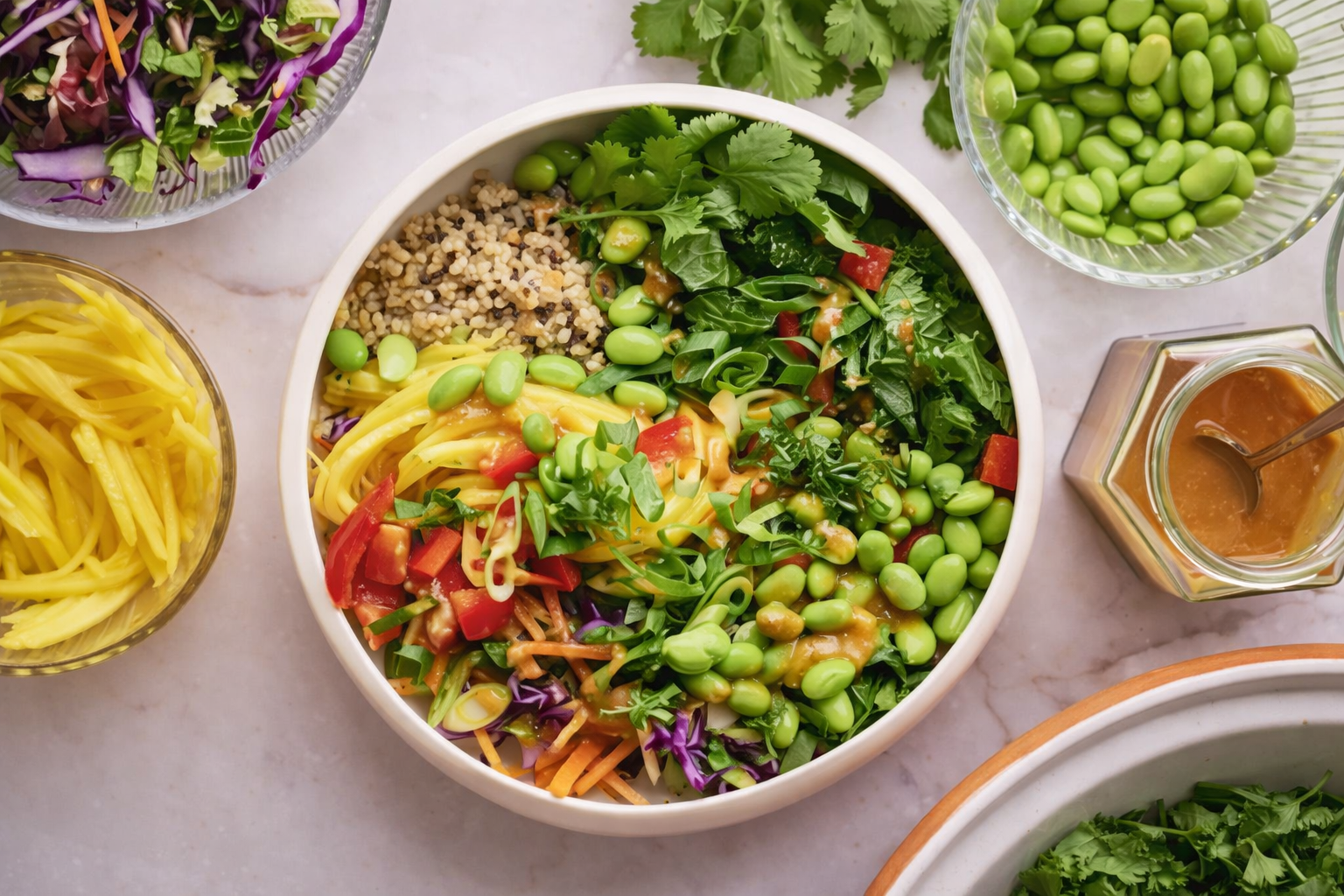
The Compound Effect of Small Changes
The most important principle in nutrition is consistency.
One healthy meal won’t change your life. But hundreds of balanced meals over months and years absolutely will. Choosing options like Healthy food bowls in Kochi as part of your regular routine makes it easier to stay consistent without feeling restricted.
Small changes are sustainable because they don’t feel overwhelming. They fit naturally into your lifestyle. Over time, these improvements:
Boost immunity
Enhance digestion
Support weight management
Increase energy levels
Improve mental clarity
Reduce risk of chronic diseases
Long-term wellness is not about being perfect. It’s about making better choices more often.
Building a Lifestyle, Not a Diet
Diets are temporary. Lifestyle habits are permanent.
Instead of asking, “How fast can I lose weight?” ask:
“How can I nourish my body every day for the next 10 years?”
When your focus shifts from restriction to nourishment, your relationship with food improves. You stop seeing food as the enemy and start seeing it as fuel. Choosing balanced meals, like thoughtfully prepared Healthy food bowls in Kochi, makes it easier to build sustainable habits that support long-term energy and strength.
Wellness is not built in 30 days it’s built in daily decisions.
Final Thoughts
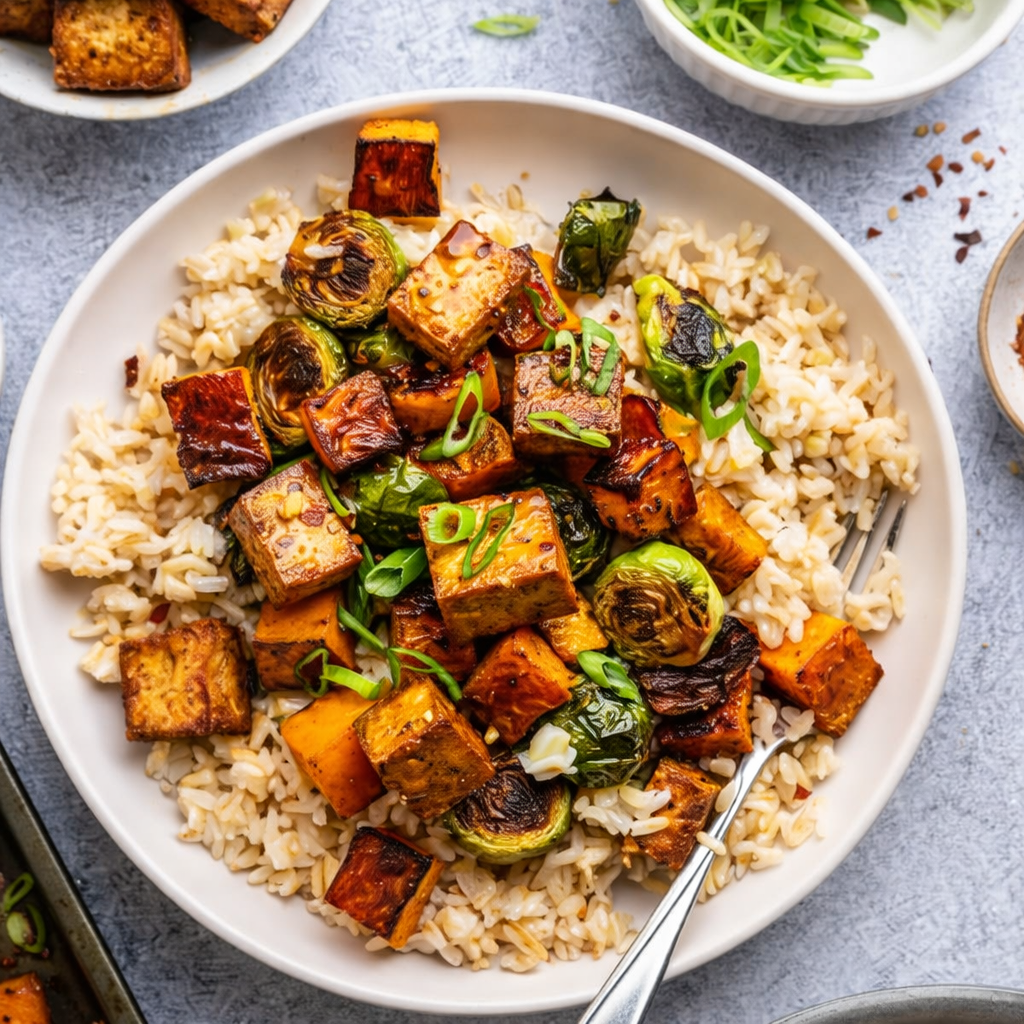
Your journey to long-term wellness doesn’t require drastic measures. It begins with one small decision like choosing balanced options such as Healthy food bowls in Kochi that naturally combine protein, fiber, and essential nutrients in every serving.
Add more protein.
Eat one extra vegetable.
Drink more water.
Reduce sugar slightly.
Eat mindfully.
Each small step builds momentum. Over months, these habits transform your health, confidence, and quality of life.
Remember, sustainable wellness is not about perfection it’s about progress.
Start small. Stay consistent. Let your daily meals become your strongest foundation for lifelong health.