
How Meal Planning Reduces Stress and Supports a Healthy Lifestyle: Building Community Through Healthy Foods
In today’s fast-paced world, many of us find ourselves asking the same nightly question: “What should I eat?” After long days filled with work, family responsibilities, and endless to-dos, this simple decision can feel overwhelming. The stress of last-minute cooking and grocery runs often leads to unhealthy choices instead of balanced nutrition.
This is where meal planning becomes a powerful solution. More than just organizing a weekly menu, it’s a lifestyle approach that brings structure, saves time, reduces stress, and supports better health. For those seeking Weight loss meals Kochi, planned and portion-controlled meals make healthy eating simple and sustainable.
When practiced within a supportive community, meal planning becomes even more impactful. It encourages consistency, builds accountability, and helps individuals stay committed to their health and weight loss goals.

Weight loss meals Kochi
What Is Meal Planning?
Meal planning is the practice of deciding in advance what you’ll eat for your meals—whether for a day, a week, or even a month. For some, it means prepping ingredients ahead of time. For others, it involves organizing balanced portions, following a structured grocery list, or preparing nutritious dishes that support specific goals like Weight loss meals Kochi programs.
At its core, meal planning is about being proactive rather than reactive. Instead of making rushed food choices, you create a clear plan that aligns with your health goals, lifestyle, and personal preferences, making consistent and sustainable weight management much easier.
How Meal Planning Reduces Stress
1. Eliminates Decision Fatigue
We make thousands of decisions every day, and each one no matter how small drains mental energy. By pre-planning meals, you remove the daily stress of figuring out what to cook. This not only frees up mental space but also creates a sense of calm and predictability. You end the day with clarity rather than chaos.
2. Stops Last-Minute Scrambling
Rushed decisions often lead to takeout or convenience foods not because they’re desired, but because they’re easy. With a meal plan, you already know what’s on the menu and what ingredients you need. This reduces the frantic “What’s for dinner?” moment and the stress of unplanned grocery trips.
3. Makes Grocery Shopping Easier and Faster
A well-thought-out meal plan produces a grocery list that’s focused and efficient. You avoid wandering aisles, overspending, and missing key ingredients. This saves time and money and transforms grocery shopping into a manageable task instead of a stressful one.
4. Reduces Stress Around Special Diets or Health Needs
For individuals with allergies, health conditions, or specific nutritional goals, meal planning reduces uncertainty and prevents mistakes. It helps ensure that meals are balanced, accessible, and aligned with personal or medical needs.

How Meal Planning Supports a Healthy Lifestyle
1. Encourages Healthier Eating Habits
When you plan ahead, you naturally think through what your body needs. You’re more likely to structure balanced meals, include vegetables, incorporate whole foods, and avoid processed alternatives. Meal planning helps you choose nourishment over convenience.
2. Supports Portion Control and Prevents Overeating
Having intentional meals ready helps prevent mindless snacking or overeating. Whether you pre-portion meals or simply plan them in advance, you gain a better understanding of appropriate serving sizes and nutritional balance.

3. Helps Maintain Steady Energy Levels
Skipping meals or relying on quick, Skipping meals or relying on quick, sugary snacks can cause energy crashes. Meal planning ensures you have wholesome foods ready throughout the day, helping maintain stable blood sugar levels and consistent energy.
4. Reduces Food Waste
When meals are planned, ingredients are used purposefully. You buy what you need and use what you buy. This helps reduce food waste which supports both your budget and the planet.
5. Makes Healthy Eating Sustainable
Healthy living isn’t about perfection; it’s about consistency. Meal planning creates routines that make long-term health easier to maintain. Even when life gets busy, having a plan helps you stay grounded and aligned with your wellness goals.

How Meal Planning Fosters Community and Connection
1. Encourages Shared Learning
Within a community, members can exchange recipes, cooking tips, budget-friendly strategies, and nutrition insights. Meal planning becomes a collaborative activity rather than something done alone.
2. Offers Accountability and Support
When people plan meals together, they’re more likely to stay consistent. Group challenges, weekly check-ins, or shared grocery lists can help individuals feel supported and inspired. This sense of accountability builds motivation and strengthens bonds.
3. Creates Opportunities for Group Activities
Meal planning can lead to community events such as:
Cooking workshops
Meal-prep gatherings
Healthy potlucks
Seasonal ingredient swaps
Nutrition education sessions
4. Makes Healthy Eating Accessible to Everyone
Sharing meal plans, budget-friendly recipes, and educational resources helps community members who may feel overwhelmed, inexperienced, or limited by time. When people come together to share wisdom, everyone benefits especially those who need extra encouragement.
5. Builds a Culture of Wellness
When a group of people commit to healthy habits together, the collective energy shifts. Meal planning becomes a shared value, and members uplift each other. This sense of belonging can be transformational, helping people feel emotionally supported as they pursue physical health.

Simple Steps to Start Meal Planning
If you’d like your community or your website readers to begin integrating meal planning into their lives, here are easy steps to get started:
1. Start with Just a Few Meals
Instead of planning all seven days, begin with three or four dinners or lunches. Starting small prevents overwhelm and builds confidence.
2. Choose Meals You Enjoy
Meal planning is sustainable only when it includes foods you love. Select recipes that fit your tastes, preferences, and skill level.
3. Keep It Flexible
The goal isn’t rigid perfection. Allow room to swap meals, go out with friends, or adjust to life’s changes. Flexibility makes meal planning easier to maintain.
4. Prep What You Can
You don’t have to prep entire meals. Even chopping vegetables, marinating proteins, or washing produce can make your week dramatically easier.
5. Involve Others
Invite family members, friends, or your community to join you. Planning meals together is fun and it helps build the connections you’re aiming to create through healthy foods.
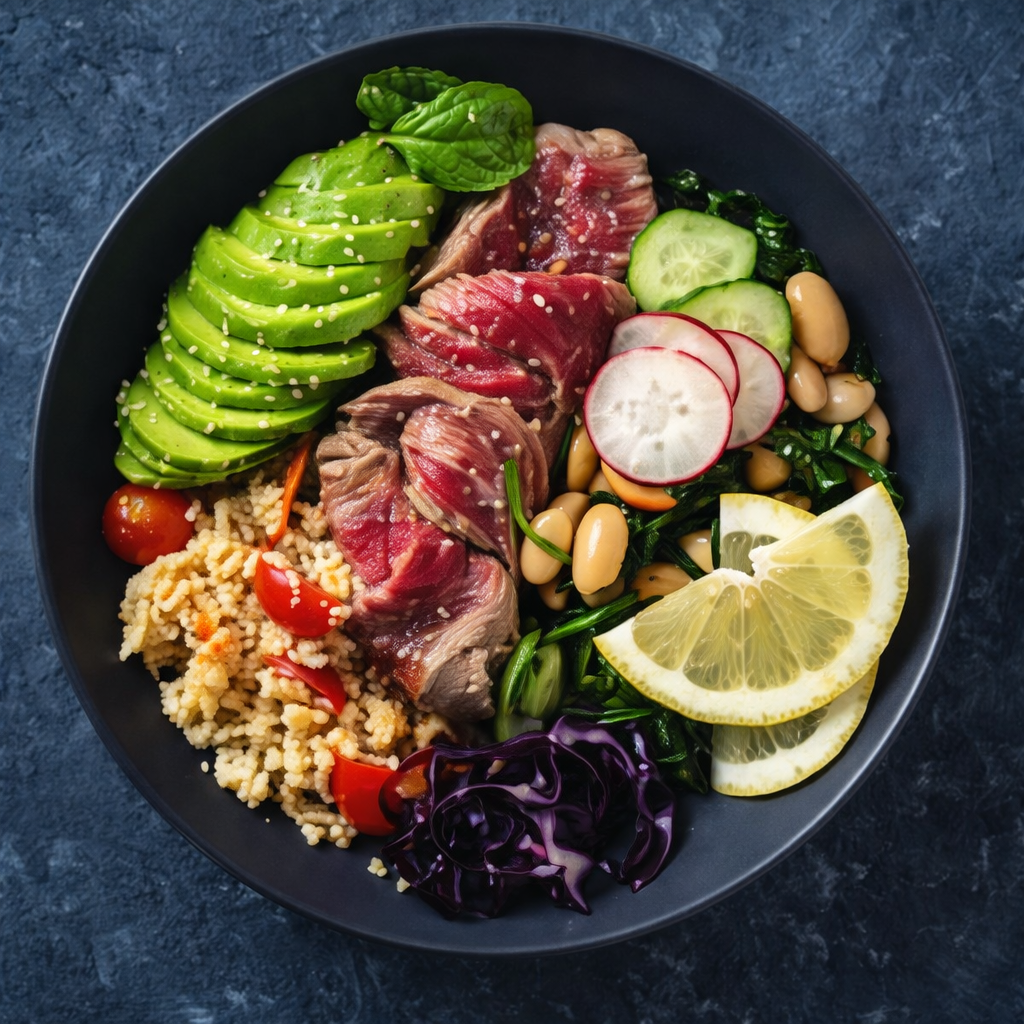
Conclusion: Nourishment That Extends Beyond the Plate
Meal planning is more than an organizational tool—it’s an act of self-care. It reduces stress, brings structure to busy lives, and supports sustainable healthy habits. For those seeking Weight loss meals Kochi, structured meal planning provides portion control, balanced nutrition, and consistency for long-term success.
When embraced by a community, meal planning becomes a source of connection, empowerment, and shared joy. By fostering a space centered on healthy foods and Weight loss meals Kochi, you’re not just helping people eat better you’re helping them live better, feel supported, and stay inspired on their wellness journeys.
In a world filled with constant demands, meal planning offers relief a way to nourish the body, calm the mind, and strengthen connections. And when we plan, cook, and eat together, we build a culture of wellness, one healthy meal at a time.